Where gelatin hides on an airline tray
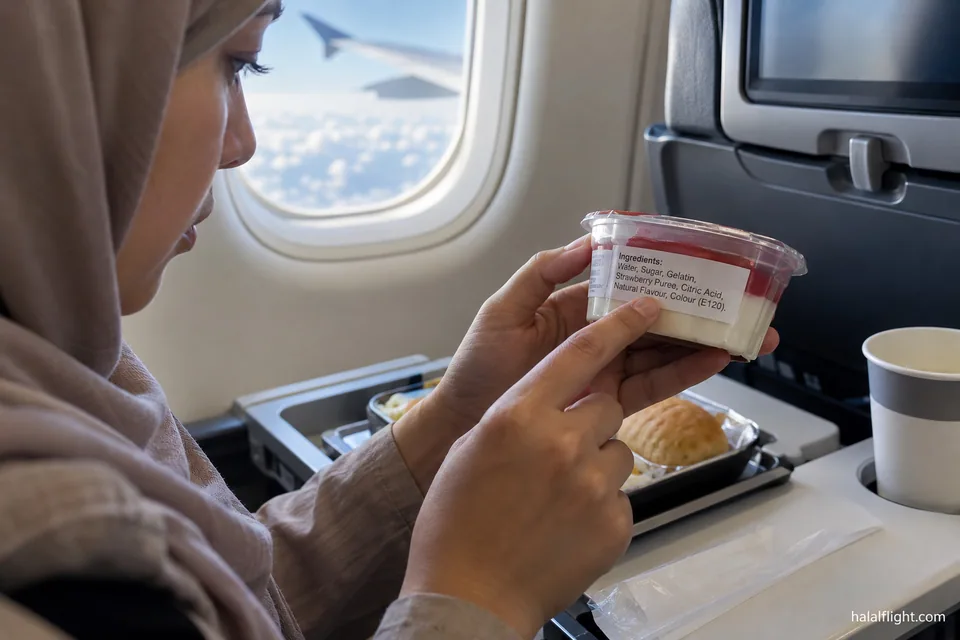
Gelatin is the gelling ingredient most people associate with jelly, but it is also used to set mousses, cheesecakes, chilled yoghurt desserts, panna cotta, marshmallows, gummy sweets and some fruit snacks. It can also stabilise whipped toppings. The finished texture is therefore a poor guide: a soft dessert in a lidded pot may contain it, while a firm one may not.
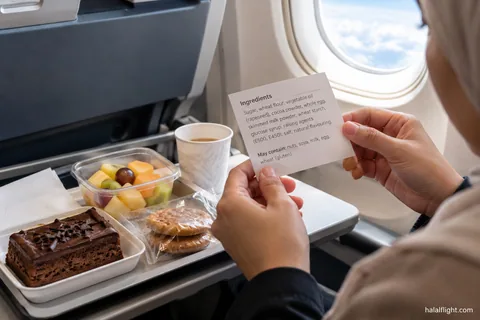
On a flight, the places to look are the dessert that comes with the main meal, the sweet on the side of the tray, snack-box confectionery and anything sold from the onboard shop.
- Chilled desserts in sealed pots
- Marshmallows and gummy or chewy sweets
- Yoghurt-style desserts and mousse
- Cake toppings and glazes
- Some vitamin or fruit gummies brought in hand luggage
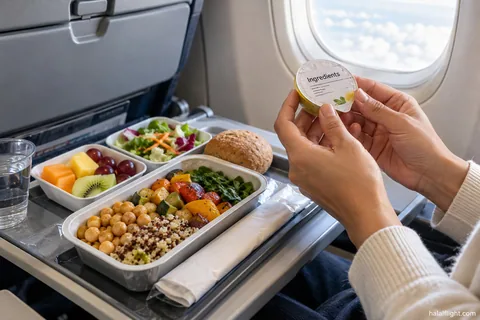
The reliable method is to read the ingredient list for the word gelatine or gelatin, because the additive may not carry an E-number on every label.
Why the animal source matters
Gelatin is made from collagen taken from animal skin, bones or connective tissue. The American Halal Foundation notes that it most often comes from cattle or pigs and that fish is another source. Gelatine Manufacturers of Europe, an industry body, states that around 80 per cent of edible gelatine in Europe comes from pig skin, about 15 per cent from cattle hide split and roughly 5 per cent from pig and cattle bones and fish.
That industry figure explains why an unmarked sweet can be a real concern: pork is the most common source in Europe, and pork is forbidden to Muslims. A label that says only "gelatine" does not tell you which animal it came from.
Pork-derived gelatin
The American Halal Foundation states that pork is strictly prohibited and that purification does not change this under its standard. Many scholars hold a similar view, though differences have been discussed on whether chemical transformation changes the ruling. Ask a qualified scholar if you want a ruling for your own situation.
Beef and fish gelatin are not the same as certified halal
Seeing "bovine" or "beef gelatine" on a label settles one question, the species, but not the others. For land animals, the American Halal Foundation states that slaughter must follow Islamic law and that blood must be drained. A beef source that was not slaughtered in that way may still be unacceptable to a traveller who follows that requirement.
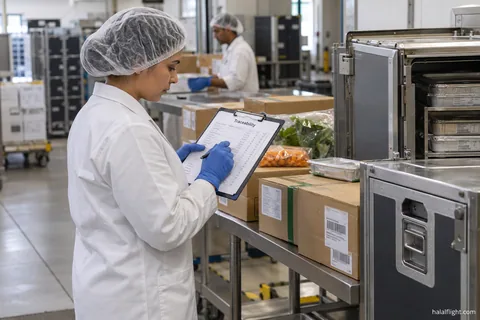
Processing matters too. The same foundation explains that shared equipment or storage with non-halal material can make gelatin impure unless thoroughly cleaned, and that halal gelatin facilities need segregated, dedicated lines. It also describes batch certification, which lets a certifier trace each production batch to its source.
- Species: pork, cattle or fish?
- Slaughter: carried out according to the halal requirements you follow?
- Production: dedicated lines and documentation?
- Evidence: a certificate naming the product or the gelatin supplier.
Fish gelatin is generally accepted by most scholars according to the same source, and it does not require a slaughter process, though certification still helps to confirm the product.
Plant-based gelling agents
Agar-agar, carrageenan and pectin are plant or seaweed ingredients, and the American Halal Foundation lists them as halal by default and suitable for vegetarian products. EFSA also notes that pectin (E 440) occurs naturally in fruit.
Finding one of these on a label answers one question only. The dessert may still contain other ingredients that need attention, such as alcohol-based flavourings, animal-derived colours or dairy ingredients with their own enzyme questions. Equally, the kitchen that made it may handle other products.
Reading the wording
- "Gelling agent: pectin" or "agar" points to a non-gelatin set.
- "Gelatine" or "gelatin" means animal collagen.
- "Vegetarian" or "vegan" on the pack suggests no gelatin, but check the full list.
- "Halal" on the pack is useful only if you recognise the issuing body.
Muslim meals versus the rest of the tray
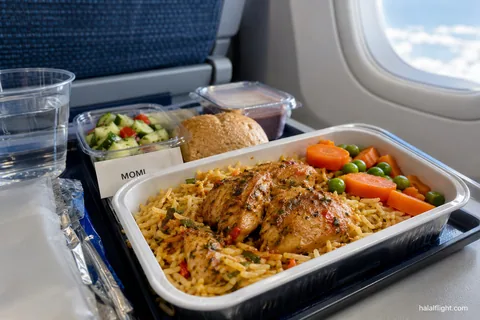
A pre-ordered Muslim meal is prepared to the airline's halal specification, and its dessert is chosen with that in mind, although the standard differs from airline to airline. Items from the general snack stock, the bar trolley or the bread basket have their own manufacturers and recipes, and the Muslim-meal label does not cover them.
Do not assume that a sweet placed beside your tray was vetted with the meal. If it is a branded packet, read its list. If it was handed over loose, ask the crew where it came from and whether a list is available.
Some airlines publish information on how they treat special meals; check your carrier's own page rather than relying on general statements. If the airline cannot say what is in a dessert, a polite decline is a reasonable choice.
What to ask the airline or caterer
Before you travel, the special-meals or customer relations team is the right contact. Questions that bring useful answers are specific and short.
- Does the dessert in the Muslim meal contain gelatine?
- If so, is it fish, beef or pork, and is there halal certification?
- Are the biscuits, sweets or confectionery served with the meal certified halal?
- Can a fruit or plant-based alternative replace the dessert?
Note the date and the name of the person you spoke with, and check again at the gate or on boarding, because cabin crew do not always receive every note on a booking. Refer to the airline's own policy page for its request deadlines and channels rather than assuming a standard.
Medicines and supplements are a related issue
Gelatin also appears in capsules and some chewable supplements. The American Halal Foundation points out that some pharmaceuticals are moving to fish or plant-based alternatives and advises checking a medicine's status with a provider or pharmacist.
Never stop or change a prescribed medicine on your own because of an ingredient. Speak to the prescriber or pharmacist before travel, and bring the medicine in its original packaging with any documents your airline and destination require. This page does not give medical advice.
Checklist when the source is unknown
- Read the full ingredient list and look for gelatine, gelatin or gelling agents.
- Identify the species and any halal certificate; if neither is stated, treat the source as unknown.
- Ask whether the item is part of your meal or from general stock.
- Choose fruit, plain bread or another identifiable item if it stays unclear.
- Photograph the label for a later enquiry to the manufacturer or a trusted certifier.
- Bring a reserve snack that you checked at home.
- Decide in advance, with a scholar if needed, what standard you will apply, so you are not deciding under pressure in the cabin.
Handled calmly, a declined dessert is a small matter, and a clear note to the airline afterwards helps the next traveller.
Frequently asked questions
Is gelatin in airline desserts always pork?
No, but pork is a common source. Gelatine Manufacturers of Europe reports that around 80 per cent of edible gelatine in Europe comes from pig skin. Cattle and fish are other sources. A label that only says gelatine does not name the animal, so ask the maker or choose another item.
Is beef gelatin automatically halal?
Not necessarily. The species is only one step. Halal standards also look at whether the animal was slaughtered according to Islamic law and whether production avoided contamination. Look for a halal certificate covering the gelatin or product, and consult a qualified scholar on your own standard.
Is fish gelatin acceptable?
The American Halal Foundation says fish gelatin is generally accepted by most scholars and does not need a slaughter process. Individual views and certifier standards can differ, so check the product's certification and ask a scholar if you want a ruling for your situation.
Do agar and pectin count as gelatin?
No. Agar-agar and pectin are plant or seaweed gelling agents, not animal gelatin. The dessert can still contain other ingredients that need checking, so read the whole list and the certification rather than relying on the gelling agent alone.
Can I decline a dessert on a flight?
Yes. You may politely decline any item you cannot verify and ask whether fruit or another identifiable option is available. Carrying your own checked snack as a reserve avoids a hungry journey when the tray offers nothing you can confirm.